Wood Row: A Brush Font That Brings Rough Elegance to Your Designs
There’s something magnetic about a font that feels handcrafted. In a world of polished vectors and perfect curves, the raw energy of brush strokes can stop a scroll, warm a storefront, or turn a simple quote into an emotional statement. Wood Row is one of those rare typefaces that captures that authenticity without sacrificing readability—a rough handwritten brush font that walks the line between rugged and refined.
I first stumbled on Wood Row while searching for a display face for a small-batch coffee brand. The client wanted packaging that felt artisanal but not too
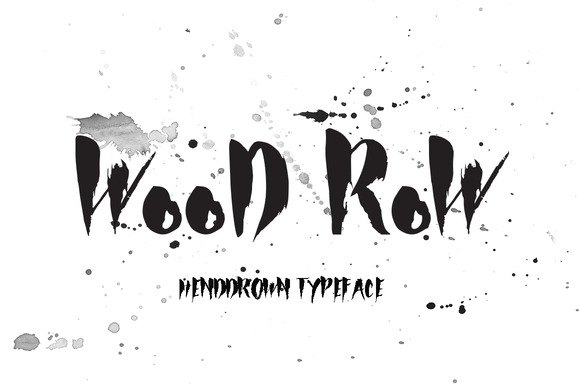
At its core, Wood Row is a handwritten brush font with a deliberately rough finish. But rough doesn’t mean careless. Each character carries the subtle imperfections of a real brush on textured paper—slight ink bleeds, uneven pressure, and natural variation in stroke width. The font comes in a single weight that works best at medium to large sizes, where those details can truly sing. One of the most striking characteristics is the texture. Unlike many brush fonts that use a smooth vector outline, Wood Row embraces a grainy, almost distressed surface. This isn’t a glitch—it’s a feature. The rough edges mimic the feel of hand-lettering on wood or rough paper, giving designs a tactile, organic quality. The uppercase letters are especially bold, with sweeping flourishes that feel confident without being overly ornamental. Lowercase letters retain a natural rhythm, making short phrases feel conversational and personal. Another key feature is its glyph variation (though the standard set is generous, with alternate characters for many letters). This allows you to mix and match forms, so the same word never looks exactly the same twice. For designers who want to avoid a repetitive digital look, this is gold. You can create headings that feel hand-painted each time. Let’s break down the main features in a quick list: The magic of Wood Row lies in its versatility within a specific aesthetic. It’s not a font for everything—but when the project calls for handmade warmth, it delivers. Here are some common (and surprising) applications: Small businesses, craft breweries, bakeries, and independent shops love Wood Row for logos and wordmarks. The rough brush texture suggests a hands-on approach, making brands feel approachable and organic. One local soap maker used Wood Row for their product labels, pairing it with a simple sans-serif for ingredients. The combination felt like a farmer’s market stall—honest and inviting. When used in a logo, size matters: the font works best when the name is at least 36 pt, so the texture reads clearly. For event posters, gig flyers, or café blackboards, Wood Row commands attention. Its bold strokes and uneven edges make it ideal for large headlines. I saw a music venue use it for their weekly lineup poster, and the “Live Tonight” header felt electric—like someone had painted it on a brick wall with a wide brush. The font’s legibility held up even from across the room, which is a testament to its careful letter spacing. In digital spaces, Wood Row can break through the noise of clean, geometric typography. Instagram quote posts, YouTube thumbnail titles, and website hero sections benefit from the font’s human touch. However, keep in mind that on small screens—like mobile thumbnails—the rough texture can blur. Use it at large sizes (48 px or higher) and avoid small lowercase words. A single bold word or a short phrase works best. This might be Wood Row’s sweet spot. The rough handwritten feel aligns perfectly with natural, organic, or handcrafted products. From hot sauce bottles to candle labels, the font adds a layer of storytelling. A friend who runs a small-batch tea company switched to Wood Row for their ingredient list headers, and customer feedback mentioned the “homemade look” even though the rest of the design was minimalist. Like any tool, Wood Row has its strengths and its limits. Knowing both helps you use it effectively. Strengths: The font’s greatest advantage is its emotional resonance. It doesn’t look like a machine drew it. That rough brush aesthetic instantly communicates values like craftsmanship, authenticity, and nature. It also works surprisingly well in monochrome or one-color designs, because the texture creates depth without extra layers. Designers who work with limited palettes (like letterpress or screen printing) will appreciate how the rough edges add visual interest. Considerations: Wood Row is not a body text font. The rough edges and single weight make it difficult to read in long paragraphs or at small sizes (below 18 pt). It’s strictly a display or heading face. Also, the texture can be overpowering if used too liberally—pair it with a clean, simple sans-serif or a neutral serif to let the brush font breathe. Finally, because the roughness is baked into the design, it won’t layer well with heavy filter effects or busy backgrounds. Keep the backdrop simple (white, soft color, or subtle texture). Here’s a quick comparison of suitability for different mediums: This font naturally appeals to a range of users: Choosing a display font can feel like a gamble, especially if you’re not a designer. Here’s a practical framework I use when evaluating Wood Row for a new project: 1. Consider the tone. Does your project need to feel warm, rough, “real,” or nostalgic? Wood Row leans toward rustic, bold, and approachable. If you need minimal, elegant, or ultra-modern, look elsewhere. 2. Test the size. Download a trial version (most reputable foundries offer one) and set your main text at the intended size. Print it at actual size if possible. The roughness should be visible but not distracting. If it reads as merely “messy,” your text might be too small or too long. 3. Pair it with a clean counterpart. Wood Row works best when it’s the star. Choose a simple sans-serif like Open Sans, Lato, or Montserrat for body text or secondary information. Avoid pairing it with another brush font—that can look chaotic. 4. Think about colour. The font’s texture is most visible against light or solid backgrounds. Dark backgrounds can swallow the rough edges; test both. A warm off-white or craft paper tone enhances the handmade feel. 5. Read the licence. If you’re using Wood Row for commercial projects (logos, products, publications), confirm the licence covers your use case. Many brush fonts have generous desktop and web licences, but always check the fine print. Wood Row isn’t a font that tries to be everything. Instead, it does one thing remarkably well: it gives words the imperfect, human touch that we increasingly crave in a polished digital world. Whether you’re designing a label for a small-batch hot sauce, building a brand for a woodworking studio, or creating a poster for a local gig, this rough handwritten brush font can add a layer of warmth and honesty that clean vectors cannot replicate. The best compliments I’ve heard about projects using Wood Row all sound the same: “It looks like someone actually painted that.” In an age of automation, that kind of reaction is priceless. So if your next project calls for a voice that feels both rugged and deliberate, give Wood Row a test drive. Let its rough edges tell a story.What Makes Wood Row Unique
Real-World Uses for Wood Row
Branding & Logos
Posters & Signage
Social Media & Web Headers
Packaging & Product Labels
Strengths and Thoughtful Considerations
Who Should Choose Wood Row
How to Decide If Wood Row Fits Your Project
Final Thoughts
🔗 You Might Also Like