Houster: A Hand-Lettered Script Font with Character
Typography choices often shape how a design feels before a single word is read. For projects that need warmth, personality, and a human touch, a script font with an intentionally imperfect look can make all the difference. Houster, a hand-lettered script font by Sameeh Media, offers exactly that: a deliberately sketched quality that stands apart from overly polished alternatives. For designers, brand owners, or content creators exploring typeface options, understanding what Houster brings to the table—and where it may not fit—can help you make a more informed decision.
What Makes Houster Distinct
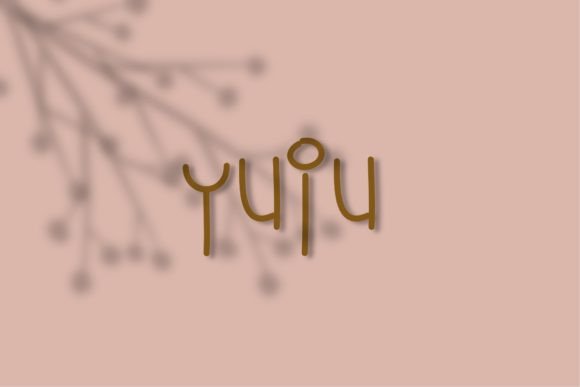
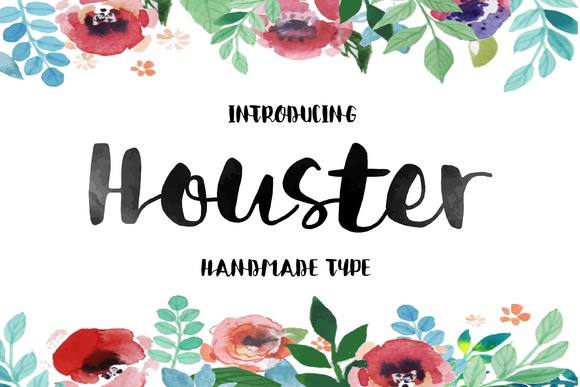
Houster is not trying to be flawless. That is its core strength. Designed as a hand-lettered script font, it reproduces the uneven strokes, subtle wobbles, and natural inconsistencies of real hand lettering. In an era when many script fonts aim for perfect curves and seamless connections, Houster opts for authenticity over precision. The result is a typeface that reads as personal and unpolished in the best sense—like something written with a pen on good paper, not generated by an algorithm.
The font includes a full set of uppercase and lowercase characters, numerals, punctuation, and multilingual support, making it practical for real projects. But its real appeal lies in the emotional tone it sets. When you use Houster, you signal approachability, creativity, and a certain handmade ethic. This makes it a strong candidate for branding, packaging, social media graphics, invitations, and any context where you want to feel less corporate and more human.
How Houster Compares with Other Script and Hand-Lettered Options
If you are evaluating Houster alongside other script fonts, the comparisons usually fall into two categories: polished script fonts and other hand-sketched or brush-style typefaces.
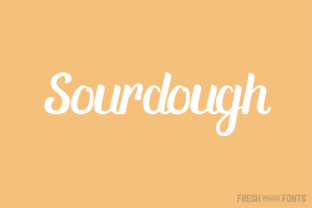
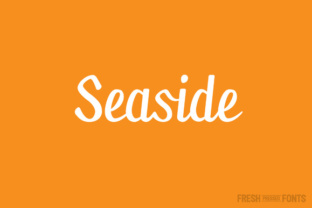
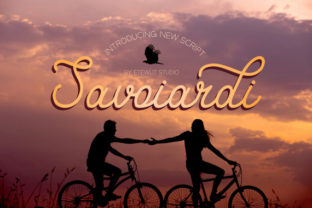
Polished script fonts—such as those with smooth ligatures, consistent stroke widths, and seamless connections—are excellent for formal invitations, luxury branding, or projects that demand elegance. They read as refined, but sometimes they lack character. Houster sits at the opposite end of that spectrum. It does not attempt to be elegant in a conventional sense. Instead, it offers charm, warmth, and a sense of immediacy. If your project calls for sophistication and restraint, a polished script may serve you better. But if you want to convey authenticity and a personal touch, Houster becomes the more fitting choice.
Compared with other hand-sketched or brush-style fonts, Houster holds its own in terms of legibility and consistency. Some hand-drawn fonts lean so heavily into imperfection that they become difficult to read, especially in longer passages or smaller sizes. Houster strikes a balance: the irregularity is noticeable but not distracting. The letterforms remain clear, and the overall rhythm feels natural rather than chaotic. This makes it more versatile than many alternatives that sacrifice readability for artistic effect.
Strengths of Houster
- Authentic handmade feel – The imperfect strokes and slight variations give text a personal, crafted quality that is hard to replicate with cleaner fonts.
- Good legibility for a hand-drawn script – Despite its sketchy appearance, Houster maintains clear letter shapes, making it usable for short to medium-length text.
- Versatile for branding and display use – Works well for logos, product labels, quotes, headlines, and social media content where personality matters more than formality.
- Multilingual support – A practical advantage for projects targeting international audiences or requiring accented characters.
- Warm and approachable tone – Instantly lowers the formality of any design, making it ideal for creative, lifestyle, or artisanal brands.
Tradeoffs and Limitations
- Not suitable for body text – Like most script fonts, Houster is best reserved for display purposes. Using it for long paragraphs would strain readability.
- Limited formal appeal – If your project requires a clean, professional, or luxury aesthetic, Houster may feel too casual or rough.
- Imperfection by design – Some designers used to consistent fonts may find the irregular spacing or stroke variations challenging to integrate into minimal layouts.
- Fewer stylistic alternates than some competitors – Depending on your needs, you might want a hand-lettered font that offers multiple swashes, ligatures, or contextual alternates. Houster provides a solid set, but it is not the most extensive.
When Houster Is the Right Choice
Houster shines in projects where you want to evoke a sense of personal connection. For example, a small-batch food brand using Houster on its packaging communicates handmade quality before the customer reads a single ingredient. A creative coach or artist using Houster for their website headings instantly signals a non-corporate, approachable style. Invitations for informal events—birthday parties, baby showers, creative workshops—gain a warm, handcrafted feel that standard scripts cannot match.
The font also performs well in digital contexts where first impressions matter. Social media graphics, particularly for lifestyle or creative accounts, benefit from Houster's friendly tone. It pairs nicely with clean sans-serif fonts for contrast: use Houster for the headline and a simple sans for supporting text. This combination gives you the handmade impact without overwhelming the viewer.
For branding projects, Houster can serve as a signature element. A logotype set in Houster feels like an autograph, not a corporate mark. This is especially valuable for personal brands, freelancers, or small businesses that want to emphasize the person behind the business.
When You May Need Another Option
Despite its strengths, Houster is not a one-size-fits-all solution. If you are working on a project that demands precision, formality, or high readability over extended text, look elsewhere. Legal documents, financial reports, academic publications, and corporate websites are obvious mismatches. More subtly, luxury brands aiming for a sleek, polished image may find Houster too casual. A high-end jewelry line or a luxury hotel would likely benefit from a refined serif or a polished script instead.
If your design calls for a hand-drawn look but needs more stylistic flexibility—such as multiple swash variations, alternate letterforms, or extensive ligatures—you might explore other hand-lettered fonts that offer broader character sets. Houster is straightforward and consistent in its style, which is a virtue for many uses, but it does not provide the kind of ornate flourishes that some display projects demand.
Another consideration is sizing. At very large sizes, the imperfect strokes become more pronounced, which can either enhance or detract depending on the desired effect. At very small sizes, the hand-drawn quality may read as messy rather than charming. Testing Houster at your intended output size is essential before committing.
Realistic Examples and Practical Comparisons
Consider a coffee shop branding project. You want a logo, a menu header, and some takeaway cup text. If the shop is a modern minimalist café with clean interiors, a polished sans-serif font might fit better. But if the shop emphasizes locally roasted beans, artisan methods, and a cozy atmosphere, Houster aligns naturally with that identity. You could use Houster for the logo and menu headings, paired with a neutral sans for body text on the menu. The contrast reinforces the brand story without sacrificing readability.
Now compare with a wedding invitation. If the wedding is black-tie, formal, and traditional, Houster would feel too casual. A refined script with delicate swashes would suit the occasion better. But if the wedding is rustic, outdoor, or bohemian, Houster could be an excellent choice—it brings the same handmade warmth that rustic decor and personal touches aim for. The same font, different contexts, different judgments.
For social media content, the comparison often comes down to speed and impact. A quote graphic set in Houster draws the eye faster than a standard sans-serif, and it conveys personality immediately. That emotional shortcut is valuable when you have only a few seconds to capture attention. However, if you are posting data-heavy infographics or professional announcements, Houster might feel out of place.
Decision Factors to Consider
When deciding whether Houster fits your project, weigh the following:
- Context and audience – Will a handmade, imperfect style resonate with your audience, or would they expect something more refined?
- Placement and scale – Are you using it for display purposes (headlines, logos, short quotes) or for longer text? Houster works best in the former.
- Brand personality – Does your brand identity lean creative, artisanal, approachable? Or is it formal, minimalist, or corporate? Honest answers here guide the choice.
- Pairing options – Houster pairs well with clean sans-serif fonts. If your design ecosystem already includes a neutral body font, Houster can add contrast. If you are building from scratch, plan your font pairing carefully.
- Technical requirements – Check that Houster supports the characters you need, especially if you work in multiple languages or require special punctuation.
Final Thoughts on Houster
Houster occupies a specific and valuable niche in the script font landscape. It is not trying to be everything to everyone—instead, it does one thing well: it delivers an authentic, hand-sketched feel that many designers and brands actively seek. For those who value personality over perfection, Houster is a strong contender. For those who need versatility across formal and informal contexts, it is best used selectively.
The best typeface choices come from understanding what a project needs, not from following trends. Houster gives you a tool that feels personal and human. When that matches your project's goals, it can be exactly the right choice. When it doesn't, the decision becomes just as clear. Evaluate your audience, your message, and the emotional tone you want to set—then let that guide you, not the other way around.