Sophia: The Script Font That Brings Playful Elegance to Modern Design
Typography has long been the silent narrator of brand identity. It whispers mood, shouts values, and quietly guides how audiences perceive a message. In recent years, the design world has seen a resurgence of handcrafted, expressive typefaces that break away from the rigid uniformity of sans-serif minimalism. Among these, Sophia stands out as a loopy and friendly script font that captures the lightness of summer, the warmth of authenticity, and the charm of a handwritten note. For professionals, creators, entrepreneurs, and marketers looking to infuse their work with personality without sacrificing readability, Sophia offers a distinctive tool that is equal parts playful and polished.
This article explores what Sophia is, why it resonates across creative and business contexts, and how it aligns with larger shifts in design philosophy, consumer expectations, and brand storytelling. Whether you are a freelancer building a visual identity or a marketer seeking a fresh voice for a campaign, understanding the relevance of Sophia can open new creative avenues.
What Is Sophia? A Script Font with Heart
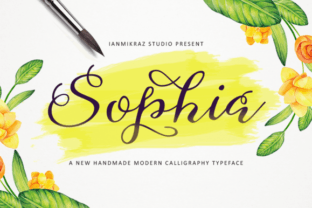
Sophia is a script typeface defined by loopy, interconnected letterforms that evoke a sense of lightheartedness and approachability. Its curves are generous without being overwhelming, and its rhythm feels natural, almost as if drawn by hand with a steady, joyful pen. The font carries a subtle retro sweetness that nods to mid-century advertising and hand-lettered signage, yet its clean construction keeps it firmly contemporary.
Unlike many script fonts that lean toward ornate calligraphy or strict formality, Sophia deliberately embraces imperfection. The loops are playful but controlled, the spacing is airy, and the overall effect is one of effortless warmth. This makes it especially suitable for headlines, logotypes, and short-form text where a designer wants to inject a dose of human connection. In an era where digital interfaces often feel cold or automated, Sophia brings back the sensation of receiving a hand-addressed envelope in the mail.
The font's design lineage draws from the tradition of casual scripts that emerged in the 1950s and 1960s, but Sophia updates that heritage with modern kerning, consistent stroke contrast, and optimized legibility for screen use. It is a font that performs well on websites, social media graphics, packaging, and branding materials, proving that script fonts need not be relegated to wedding invitations alone.
The Shift Toward Human-Centered Typography
One of the most significant movements in contemporary design is the pivot from cold minimalism to warm, human-centered aesthetics. Flat design and sterile sans-serif fonts dominated the 2010s, but the current decade has seen a craving for texture, personality, and emotional resonance. Sophia fits squarely into this shift. Its loopy, friendly character answers the growing demand for approachable brand voices that feel less like corporate monoliths and more like trusted friends.
Consumers, especially younger demographics, increasingly favor brands that demonstrate authenticity, vulnerability, and a sense of humor. A font like Sophia visually signals that a brand is not taking itself too seriously, yet it still cares about craft. It bridges the gap between the handmade and the polished, which is precisely the sweet spot for many modern businesses.
The Rise of Summery and Airy Visual Identities
Seasonality in branding has evolved beyond holiday-specific campaigns. More companies now adopt mood-based design languages that rotate or adapt to evoke certain feelings. Sophia is inherently summery and airy. Its open loops and gentle curves suggest warmth, sunshine, relaxation, and optimism. For brands in travel, lifestyle, wellness, food, and creative services, this font can anchor a visual identity that feels refreshing and light.
Entrepreneurs launching seasonal products or pop-up experiences can use Sophia to differentiate from competitors who rely on generic typefaces. Even in B2B contexts, where script fonts are less common, a careful application of Sophia in a headline can soften a brand's image and make it more relatable without losing professionalism.
The Nostalgia Economy and Handcrafted Aesthetics
Nostalgia remains a powerful driver in consumer behavior, especially as digital fatigue grows. People are drawn to things that feel tangible, heritage-rich, and handcrafted. Sophia taps into this nostalgia by evoking the tactile pleasure of handwriting. When used in a logotype, it can transport a viewer to a simpler, kinder era, even as the product or service remains forward-looking.
Designers working on rebrands for established businesses often look for fonts that carry history without feeling dated. Sophia achieves this balance: it is nostalgic but not antique, friendly but not juvenile. It can help a brand tell a story of tradition while staying relevant to modern expectations.
Why People Are Paying Attention to Sophia
The attention surrounding Sophia is not accidental. Several converging factors have made this font particularly relevant today.
- Differentiation in a crowded market: With thousands of fonts available, finding one that feels both unique and versatile is rare. Sophia occupies a distinct niche between casual and refined, making it a standout choice for brands that want to avoid looking like everyone else.
- Social media and micro-branding: Platforms like Instagram, TikTok, and Pinterest reward visual distinctiveness. Sophia works exceptionally well in profile headers, quote graphics, promotional reels, and story highlights, where a friendly script can increase engagement and recognition.
- Accessibility of design tools: With platforms like Canva, Figma, and Adobe Express making it easier than ever to apply custom fonts, non-designers are actively seeking typefaces that lend instant personality. Sophia is approachable enough for a solopreneur to use confidently, yet professional enough for a design agency to build a brand system around.
- Demand for emotional connection: As AI-generated content becomes more prevalent, the value of human warmth increases. Sophia feels human. Its loops and curves carry an organic quality that algorithms cannot replicate, which makes it a subtle but powerful signal of authenticity.
Evolving Expectations for Brand Voice
Today's audiences expect brands to speak with a clear, consistent, and relatable voice. Typography is a cornerstone of that voice. A font like Sophia communicates approachability, creativity, and a willingness to break from convention. In a marketplace where trust is a key currency, using a script font that feels honest can strengthen the emotional bond with customers.
For freelancers and micro-businesses, Sophia can serve as a quick shorthand for personality. A photographer, a florist, a bakery, or a copywriter can use it to signal that their work is infused with care and individuality. For larger organizations, using Sophia in specific touchpoints, such as seasonal campaigns or internal communications, can humanize the brand without overhauling the entire identity.
Workflow Simplicity and Versatility
Practicality matters. Sophia works across a range of media without requiring extensive modifications. It is readable at medium to large sizes, pairs well with clean sans-serif fonts for body text, and maintains its charm in both color and monochrome applications. Designers appreciate that it does not need excessive tracking or kerning adjustments to look good, which saves time in production.
The font also performs well in animation, an increasingly important consideration for digital marketing. Looping animated text using Sophia can create a whimsical, eye-catching effect for video intros or social media stories. Its friendly curves lend themselves naturally to motion without becoming distorted or illegible.
The Rise of Micro-Brands and Side Hustles
The entrepreneurial landscape has shifted toward smaller, more personal ventures. Solo creators, side hustlers, and micro-brands often need to establish a visual identity quickly and on a budget. Sophia offers a shortcut to a cohesive look that feels intentional. A freelancer can use it in their logo, website hero section, and email signature to create a unified presence that stands out from the templated competition.
In this context, Sophia is not just a font; it is a tool for storytelling. It tells the audience that the creator is approachable, creative, and attentive to detail. For a target audience of busy professionals who value both aesthetics and efficiency, this can make the difference between being overlooked and being remembered.
- Branding consistency: Using Sophia across a logo, social media templates, and packaging reinforces recognition.
- Emotional resonance: The font's playfulness can soften complex messages and make them more digestible.
- Time efficiency: Its built-in charm reduces the need for decorative embellishments, simplifying the design process.
- Scalability: Sophia works equally well on a business card and a billboard, maintaining its character at any size.
Practical Examples and Observations
Consider a boutique hotel brand targeting millennials and Gen Z travelers. Using Sophia for the property name on signage, website headers, and amenity labels instantly conveys a relaxed, sun-drenched vibe. Pair it with a clean sans-serif for informational text, and the visual identity becomes both inviting and trustworthy. Similarly, a specialty coffee roaster might use Sophia on packaging to evoke the artisanal, small-batch nature of the product, distinguishing it from mass-market competitors.
In the digital space, a life coach or wellness influencer could use Sophia in introductory videos, highlight reels, and downloadable worksheets. The font's airy quality aligns with themes of breath, space, and renewal, reinforcing the core message. Even in more unexpected contexts, such as a tech startup's "About Us" page, a subtle use of Sophia in a single headline can break the monotony of interfaces and introduce a human element that resonates with users fatigued by sleek but impersonal UI.
Observations from design communities show that Sophia is increasingly chosen for projects where the designer wants to strike a balance between professionalism and personality. It appears in editorial layouts, seasonal packaging, brand guides for lifestyle influencers, and even event collateral. The common thread is a desire to be seen as both competent and charming.
The Broader Movement Toward Visual Authenticity
The attention given to Sophia is part of a larger cultural shift toward visual authenticity. As deepfakes, AI-generated imagery, and polished content become ubiquitous, audiences are developing a hunger for the imperfect, the human, and the handcrafted. Script fonts embody this craving more than any other typeface category. Sophia, with its loopy and friendly letters, offers an antidote to digital perfection. It reminds viewers that there is a person behind the brand, a hand that shaped the message.
Typography as a Differentiator in a Saturated Digital Space
Every brand today competes for split-second attention in a scrolling feed. Typography is one of the fastest ways to signal a point of view. Sophia works because it is distinctive without being loud. It does not scream for attention; it invites it. In a landscape where many brands default to safe, generic typefaces, using Sophia is a conscious choice to stand out by being warmer, not louder.
The Role of Script Fonts in Inclusive Design
While legibility remains critical, there is a growing recognition that inclusive design is not only about accessibility features but also about emotional inclusivity. A font like Sophia can help a brand feel accessible on a human level, welcoming a wider range of audiences by signaling openness and friendliness. It aligns with the trend toward soft power branding, where influence is built through connection rather than authority.
Final Thoughts on Using Sophia
Sophia is more than a font; it is an invitation to approach design with a lighter touch. For professionals, creators, and entrepreneurs who want their work to feel both polished and personal, it offers a reliable and beautiful solution. Its loopy and friendly letters capture something intangible: a sense of optimism, a memory of summer, the feeling of a genuine smile.
When used thoughtfully, Sophia can elevate a project from competent to memorable. It is not a font for every context, but in the right hands, it brings a je ne sais quoi that generic typefaces simply cannot replicate. As design continues to evolve toward authenticity and human connection, Sophia stands ready as a tool that helps brands say not just what they are, but how they make people feel.
Whether you are crafting a logotype, designing a campaign, or refreshing a visual identity, consider what Sophia can bring to the table. In a world that often values speed over substance, a little loopiness, a little friendliness, and a little air can go a long way toward building something that truly resonates.