Box: A Clean Sans Serif Font Built for Clarity and Impact
Typography shapes how people perceive your message before they read a single word. A font that feels cluttered or dated can undermine even the most thoughtful content, while a clean, modern typeface invites trust and keeps attention where it belongs. Box is one such font—a sans serif design that strips away unnecessary detail to deliver readability with personality. Whether you are building a brand, designing a presentation, or laying out a publication, understanding what Box offers can help you make better typographic choices.
What Makes Box Stand Out
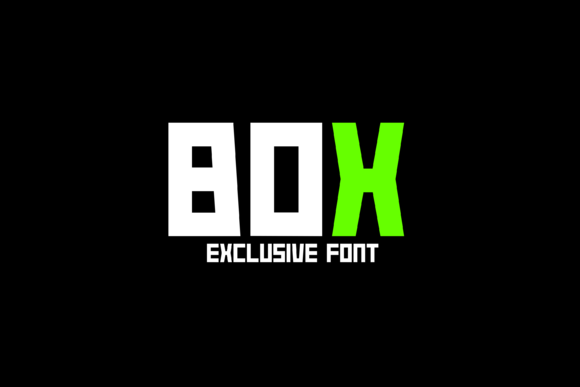
Box belongs to the growing family of geometric sans serif fonts, but it earns its place through deliberate restraint. Every letterform is built on straightforward curves and straight strokes, avoiding excessive decoration while maintaining a friendly, approachable feel. The x-height is generous, which improves legibility at small sizes, and the spacing between characters remains consistent without feeling tight or airy.
The font’s clean and fresh sans serif design works because it prioritises function over flourish. You do not see unnecessary serifs, exaggerated contrast, or quirky alternates that force you to adjust your layout. Instead, Box presents a neutral yet warm appearance that adapts to context without shouting for attention. This makes it especially useful for projects where the content itself should lead, not the typeface.
Another notable quality is how Box handles weight variation. From light to bold, each weight retains its character without distorting the underlying structure. The medium and regular weights are ideal for body text, while the bold variant provides enough presence for headings and callouts without feeling heavy or cramped.
Professional and Business Use
In a corporate setting, consistency matters. Box works well for internal documents, reports, and slide decks because it remains readable on screen and in print. The font’s even texture reduces eye strain during long reading sessions, which matters when you are reviewing quarterly data or drafting policy documents. Brand guidelines that adopt Box benefit from its versatility—it pairs easily with display fonts for headlines and works as a standalone option for email newsletters, proposal templates, and meeting agendas.
Marketers often struggle with fonts that look good in a logo but fall apart in body copy. Box avoids this trap. Its clean lines ensure that landing pages, social media graphics, and email headers all share a unified voice. A tech startup, for example, might use Box to convey modernity without feeling cold, while a consulting firm could rely on its clarity to present complex ideas in a digestible format.
Educational and Instructional Materials
Educators and trainers need fonts that support comprehension, especially when working with diverse audiences. Box’s open letterforms and clear differentiation between characters like lowercase l, uppercase I, and the numeral 1 reduce confusion. Worksheets, study guides, and online course materials benefit from a typeface that does not introduce unnecessary cognitive load.
For publishers of textbooks or e-learning modules, Box provides a solid foundation for long-form reading. Its generous x-height means that students can read comfortably on tablets, laptops, or printed pages without squinting. The font also supports multiple languages and special characters, which is a practical advantage for institutions serving multilingual communities.
Creative and Digital Projects
Designers and content creators often look for a sans serif that feels current without chasing trends. Box fits this need. Its fresh appearance complements modern UI patterns, minimal branding, and editorial layouts. You might use it for a portfolio website, a mobile app interface, or a digital magazine where whitespace and readability are priorities.
The font also performs well in responsive environments. Whether displayed on a 13-inch laptop or a 65-inch monitor, Box retains its clarity. This makes it a reliable choice for web designers who cannot control every device their audience uses. Pair Box with a monospace font for code snippets or a serif for long-form articles, and you have a flexible typographic system that works across platforms.
Commercial and Retail Branding
Small business owners and freelancers often need a typeface that looks professional without requiring a large budget. Box offers that accessibility. A product label, a store sign, or a packaging design benefits from a font that communicates honesty and approachability. For a coffee brand, Box can evoke a clean, artisanal feel; for a software company, it signals efficiency and modern thinking.
E-commerce sites also gain from Box’s readability. Product descriptions, pricing tables, and customer reviews are easier to scan when the typeface is consistent and legible. Shoppers spend less time decoding text and more time evaluating your products, which can positively influence conversion rates.
Usability and User Experience Benefits
Beyond aesthetics, Box delivers measurable advantages in usability. Fonts that prioritise clarity reduce the effort required to process information. This is especially important for users with visual impairments or those reading on lower-resolution screens. Box’s even stroke width and simple shapes help maintain legibility even when anti-aliasing is less than perfect.
From a productivity standpoint, working with Box means less time troubleshooting typography. Because it behaves predictably across software—Adobe Suite, Figma, Microsoft Office, Google Docs—you can focus on content and layout rather than kerning adjustments or weight inconsistencies. For teams collaborating across different tools, this consistency saves time and reduces friction.
In branding, using a font like Box signals attention to detail. Customers may not consciously notice the typeface, but they will notice if something feels off. A clean sans serif conveys professionalism and care, which reinforces trust in your product or service. Over time, these small signals build a stronger overall impression.
Observations and Recommendations for Implementation
When evaluating Box for your own work, start by testing it in the actual medium you plan to use. A font that looks excellent in a specimen sheet may behave differently in a dense newsletter or a busy dashboard. Load a sample paragraph, adjust the size, and view it on the devices your audience uses. Pay attention to spacing at different weights—some fonts compress or expand unevenly, but Box generally holds its structure well across sizes.
Pairing Box with other typefaces is straightforward. For headings, you can use a heavier weight of Box itself, or introduce a contrasting serif for a traditional touch. Avoid combining Box with another geometric sans serif that shares too many features, as this can create visual confusion. Instead, let Box serve as the anchor and bring in complementary styles for variety.
If you are using Box in digital products, consider accessibility guidelines. Ensure sufficient contrast between text and background, especially for lighter weights. While Box’s clean design supports readability, good contrast remains essential for all users. Testing with WCAG criteria can help you catch issues early.
For long documents or web content, limit line length to around 60–75 characters per line. This pairs well with Box’s spacing and prevents the eye from tiring. In print, adjust leading to match the weight you choose—tighter leading works for bold headings, while body text benefits from a little more breathing room.
Why Box Deserves a Place in Your Toolkit
A font like Box does not try to be everything to everyone. It focuses on being reliable, readable, and visually neutral in the best sense of the word. For professionals, creators, and business owners who need a typeface that performs across contexts without demanding attention, Box offers a practical solution. It supports clear communication, reduces friction in production workflows, and shapes a user experience that feels considered rather than rushed.
Typography is an investment in how your audience receives your message. With a clean and fresh sans serif design, Box gives you a foundation that respects your content and your readers. Whether you are drafting a business proposal, designing a course, or building a brand from scratch, starting with a font that values clarity puts you on the right track.