Zeppelin: A Vintage Serif Font for Retro Design Projects
When selecting a typeface for a project that aims to evoke a specific historical period or a nostalgic mood, the choice often narrows to a handful of display serifs. Among these, Zeppelin and its companion style ZeppelinUP have gained notice for their distinctive vintage character. This article provides a balanced evaluation of Zeppelin as a design tool, exploring its characteristics, practical applications, and tradeoffs so you can determine whether it aligns with your creative goals.
What Is Zeppelin?
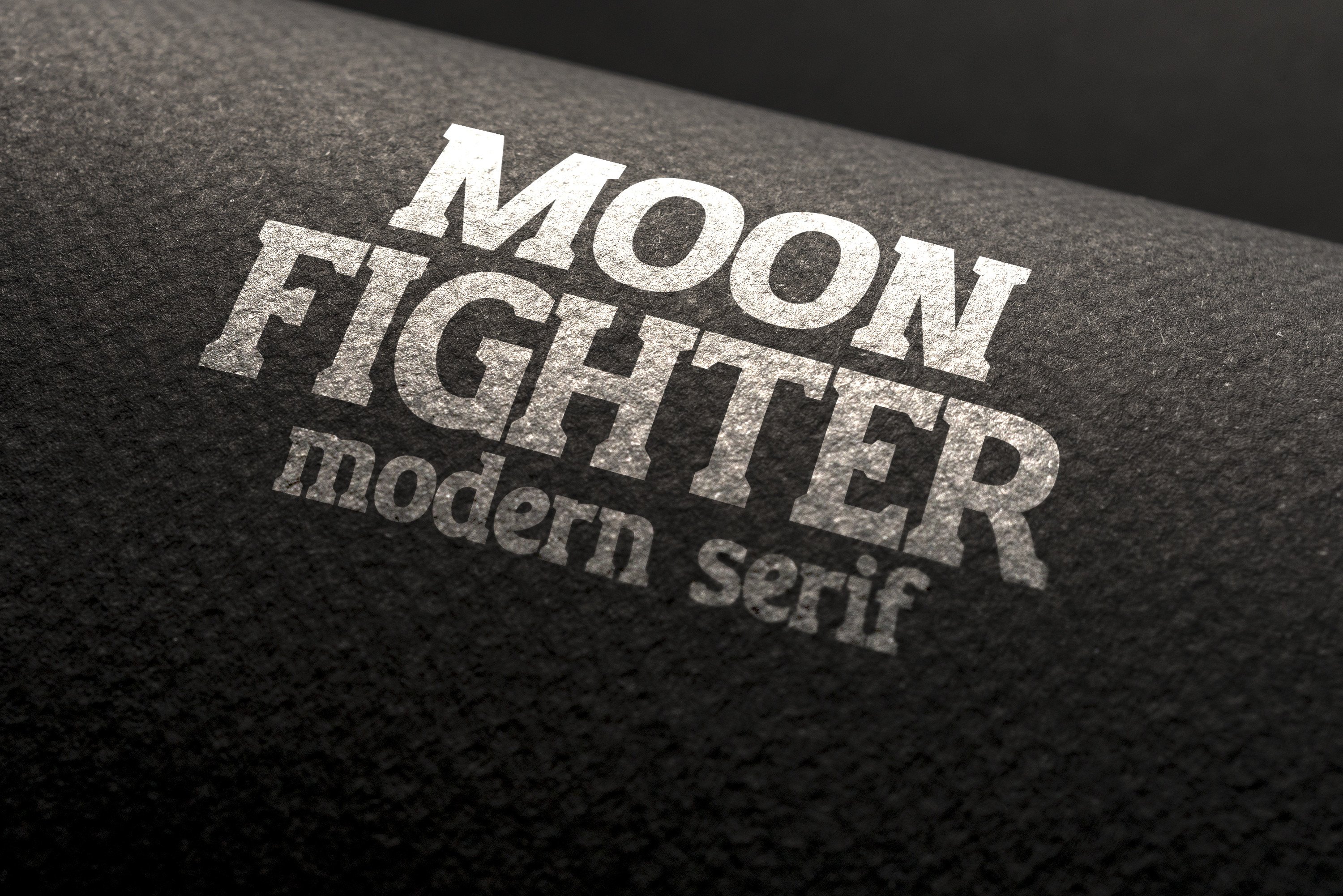
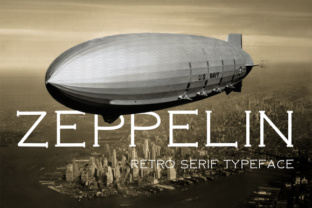
Zeppelin is a vintage serif typeface designed to capture the aesthetic of early to mid-20th-century typography. Its name references the rigid airships of the early 1900s, and the font carries a similar sense of bold, engineered elegance. The design features pronounced serifs, a moderate contrast between thick and thin strokes, and a slightly condensed letter structure that gives it a distinctive, authoritative presence.
ZeppelinUP refers to an extended version of the original Zeppelin font family, often including additional weights, styles, or alternate characters. While the base Zeppelin font is well suited for headlines and short text, ZeppelinUP offers more versatility for projects that require a consistent vintage appearance across multiple text sizes or formats.
Why Consider Zeppelin for Your Project?
Several practical reasons might lead a designer or brand owner to evaluate Zeppelin as a font choice. The most common motivations include:
- Nostalgic branding: Businesses in industries like craft brewing, artisanal coffee, vintage clothing, or heritage tourism often seek typefaces that immediately communicate tradition and craftsmanship. Zeppelin provides that association without requiring extensive lettering customization.
- Display headlines: For posters, magazine covers, or website hero sections where a strong typographic statement is needed, Zeppelin's condensed serif form stands out without appearing overly decorative.
- Logo development: Many small to medium enterprises use Zeppelin as a base for logo typography, especially when aiming for a retro or industrial feel that is still legible at small sizes.
- Packaging design: The font's vintage character works well on product labels where shelf appeal depends on a sense of authenticity or heritage.
These motivations are valid, but each comes with considerations that affect how well the font performs in practice.
Benefits and Practical Advantages
Zeppelin offers several benefits for designers who need a vintage serif that remains functional in modern layouts.
Distinctive personality without novelty. Unlike many decorative vintage fonts that sacrifice readability for character, Zeppelin maintains a disciplined structure. Its serifs are prominent but not overly ornate, and the letter spacing is tight enough to create a cohesive word shape. This makes it appropriate for longer headlines or subheadings where a purely ornamental font would become fatiguing.
Versatility across weights. With ZeppelinUP's extended family, designers can choose from regular, bold, and sometimes italic or condensed variants. This range allows for hierarchy within a single brand system, using the bolder weight for primary headlines and lighter versions for secondary text or captions. Such flexibility reduces the need for multiple font families, simplifying brand consistency.
Historical resonance without pastiche. The font references early 20th-century sign painting and poster typography but does not replicate a specific historical font. This gives it a broader appeal; it can evoke the 1910s through the 1950s depending on context, color, and accompanying graphic elements. For projects that need a general vintage feel rather than a precise period reproduction, this flexibility is valuable.
Good legibility at moderate sizes. While Zeppelin is primarily a display font, its clear letterforms perform well at sizes around 18–36 points in print or equivalent screen sizes. This means it can be used for short blocks of text, such as quotes or callouts, without losing readability.
Tradeoffs and Considerations
No typeface is universally suitable, and Zeppelin has limitations that may affect its fit for certain projects.
Limited use in body text. Like most vintage serif display fonts, Zeppelin is not designed for extended reading. At smaller sizes, the condensed letterforms and pronounced serifs can cause crowding, making it tiring for paragraphs or long articles. Even ZeppelinUP's lighter weights may not provide the comfort of a dedicated text font. If your project requires substantial copy, pairing Zeppelin with a neutral sans serif or a classic text serif is advisable.
Potential overuse in certain industries. Because Zeppelin is widely available and popular among craft brands, it risks becoming generic in contexts where many competitors also use vintage typography. If your brand relies on a truly unique visual identity, you may want to customize the font or select a less common alternative.
Sensitivity to design context. Zeppelin works best when surrounded by complementary elements: muted colors, rough textures, and straightforward layouts. Placed next to ultra-modern graphics or high-contrast digital UIs, it can appear incongruent. Its vintage character is strong enough to dominate a composition, so it requires thoughtful integration to avoid feeling like a cliché.
Licensing and availability. Depending on where you obtain Zeppelin or ZeppelinUP, licensing terms may vary. Some versions are available as free fonts for personal use, while commercial projects require a paid license. Always verify the license for your specific use case, especially if you plan to embed the font in websites, apps, or merchandise.
When Zeppelin Is a Strong Fit
Based on its characteristics, Zeppelin is particularly well suited for the following scenarios:
- Short-form branding applications: Logos, badges, and monograms where a name or acronym is the primary visual element.
- Print materials with a nostalgic theme: Flyers, brochures, or posters for events that reference a historical era, such as a 1920s-themed party or a heritage product launch.
- Product packaging: Labels for goods that emphasize artisanal or traditional methods, such as small-batch spirits, specialty foods, or handmade cosmetics.
- Website headers and hero titles: When used sparingly as a headline font, Zeppelin can add character to a digital presence without overwhelming the content.
- Merchandise design: T-shirts, mugs, or tote bags where typography carries the design and a vintage feel is part of the appeal.
When Alternatives May Be Worth Considering
While Zeppelin has many strengths, there are situations where other fonts may serve you better.
If you need extensive body text compatibility: Consider pairing Zeppelin with a neutral text font like Source Serif, Lora, or even a clean sans-serif such as Open Sans or Work Sans. For the body text itself, a dedicated text serif will provide better reading comfort at small sizes.
If you require a very specific historical period: Zeppelin offers a general vintage feel rather than an exact replica of a particular decade. If your project demands authentic Art Nouveau, Art Deco, or mid-century modern typography, you may be better served by a period-specific font such as Beaufort (for early 1900s style) or Futura (for modern mid-century sans serif).
If you need a wider range of weights and characters: Some vintage serif families, such as Oranienbaum or Cinzel, offer more extensive character sets including small caps, ligatures, and multiple numeral styles. If your project requires advanced typographic features, check whether ZeppelinUP provides them or whether another font family may be more complete.
If your brand targets a very modern audience: For technology startups, contemporary fashion, or minimalistic design, a vintage serif like Zeppelin may create a mismatch. In such cases, a clean geometric sans-serif or a modern slab serif would align better with the desired brand perception.
Practical Decision-Making Insights
To determine whether Zeppelin is the right choice for your project, consider the following practical steps:
- Test at multiple sizes. Download a trial version and mock up your headline at the intended size, as well as at a smaller size for secondary text. Observe how the letterforms behave and whether any characters become hard to distinguish.
- Evaluate in context. Place Zeppelin alongside the other elements of your design: images, colors, and other typography. If the font dominates in a way that feels forced, consider using it only for the most prominent element and pairing it with a more subdued typeface.
- Check licensing early. Before committing, confirm the license covers your specific use case—commercial, web, app, or print. If the free version is limited, factor the cost of a commercial license into your budget.
- Compare with alternatives. Look at other vintage serifs such as Beech, Carrois Gothic, or Lobster Two. Each has a different weight, spacing, and personality. Choosing a font is rarely about a single feature; it's about how well the entire typeface fits your project's tone and constraints.
- Consider customization. If Zeppelin is close but not perfect, you might modify it slightly—by adjusting letter spacing in a vector program—to better suit your needs. Small tweaks can sometimes bridge the gap between a good fit and an ideal one.
Aligning Zeppelin with Your Goals
Ultimately, the decision to use Zeppelin or ZeppelinUP hinges on your project's specific requirements. If your primary goal is to create a strong, nostalgic visual identity with a clear historical reference, and you are working in a medium where display typography is central, Zeppelin is a reliable candidate. Its balance of character and legibility makes it more practical than many purely ornamental vintage fonts.
However, if your project demands subtlety, extensive text handling, or a more original visual signature, you may find that Zeppelin requires careful handling to avoid the appearance of a stock retro style. In those cases, it may be worth exploring other vintage serifs or even creating a custom lettering solution that better reflects your unique brand narrative.
By evaluating Zeppelin against the criteria of legibility, contextual fit, licensing, and audience expectations, you can make an informed decision that supports your design objectives without relying on hype or fashion. Typeface selection is a practical craft, and Zeppelin offers a solid tool for certain jobs—provided you use it with intention and awareness of its limitations.