The Happy Giraffe: Playful Font for Design Projects
If you have been browsing for a typeface that brings warmth and a touch of whimsy to your work, The Happy Giraffe stands out as a particularly cheerful option. This upbeat handwritten font is designed to feel personal and approachable, making it a versatile choice for a wide range of creative projects. Whether you are a seasoned designer or someone just starting to explore DIY crafts, understanding this font's character and potential applications can open up new ways to connect with your audience.
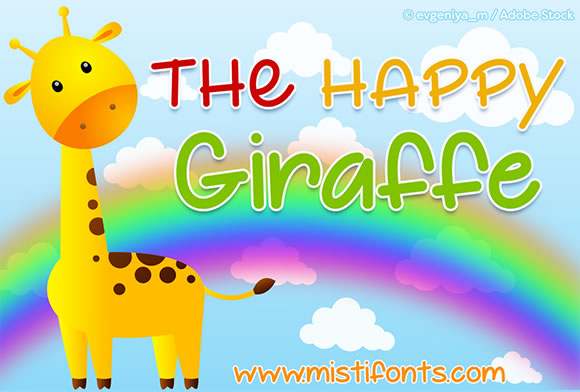
The appeal of The Happy Giraffe lies in its handcrafted feel. Unlike rigid, geometric fonts, it carries the subtle imperfections of natural handwriting. Each letter has a playful bounce, and the overall impression is one of friendliness and optimism. This makes it an excellent tool for projects where you want to convey warmth, creativity, or a sense of personal touch. The name itself evokes a sense of curiosity and height, suggesting something that stands out and looks at the world from a positive perspective.
What Makes This Font Interesting
Handwritten fonts often struggle to balance legibility with personality. The Happy Giraffe manages to do both well. Its letterforms are clear enough to read at reasonable sizes, yet they retain the loose, energetic quality of someone writing quickly with a marker. The slight variations in stroke width add texture, giving designs a more organic feel. For anyone working on materials that need to feel less corporate and more human, this font can be a strong ally.
Another aspect that makes it useful is its versatility. While it shines in larger sizes for headlines or short phrases, it can also work in body text if used sparingly. The font's uppercase and lowercase characters offer different rhythms. Uppercase letters tend to feel bolder and more like a statement, while lowercase creates a softer, more conversational tone. This flexibility allows you to adjust the mood of your project without switching to a completely different typeface.
Creative Applications Across Different Media
One of the most direct uses for The Happy Giraffe is in branding for small businesses. Imagine a local bakery, a children's clothing shop, or a handmade soap seller. Using this font on logos, packaging labels, or store signage immediately communicates a friendly, handcrafted quality. It suggests that the business values personal connection over mass production. For a bakery, pairing the font with a simple icon of a cupcake or a loaf of bread creates a cohesive and inviting brand identity.
Social Media and Digital Content
Social media feeds are crowded with polished visuals. A handwritten font like The Happy Giraffe can help your content stand out by adding an element of realness. Use it for quote graphics, story highlights, or promotional banners. Because it looks handmade, it often performs well on platforms like Instagram or Pinterest, where audiences appreciate authentic and inspiring aesthetics. When creating an Instagram post for a motivational quote, consider using a soft background color and setting the text in a mix of uppercase and lowercase letters from this font. This combination feels encouraging rather than preachy.
Print Materials and Stationery
For print projects, The Happy Giraffe works beautifully on invitations, greeting cards, and thank-you notes. A birthday invitation written in this font feels more personal than a standard printed invitation. It suggests the host took time to craft something special. Similarly, a thank-you card for a gift or a business follow-up can use this font to convey genuine appreciation. When designing a flyer for a community event, such as a school fair or a local market, the font's upbeat nature aligns well with the positive, communal spirit of the occasion.
Educational and Craft Projects
Teachers and educators can benefit from using The Happy Giraffe in classroom materials. Worksheets, bulletin board headings, or reward charts become more engaging when the text looks friendly and less intimidating. For craft projects like scrapbooking, memory journals, or handmade gifts, this font can be used to write titles, captions, or decorative phrases. Its playful character complements photographs and other embellishments without fighting for attention.
Adapting the Font for Different Goals and Audiences
Different users will find distinct ways to make The Happy Giraffe work for their specific needs. Designers often need to pair it with other typefaces to create visual hierarchy. A good approach is to combine it with a clean, simple sans-serif font like Helvetica or Lato for body text or secondary information. This creates a contrast between the playful headline and the reliable, readable supporting text. For a website header, using The Happy Giraffe for the main title and a neutral font for navigation links keeps the design engaging without sacrificing usability.
For Marketers and Bloggers
Marketers aiming to build a friendly brand voice can use this font in email newsletters or landing page headers. A blog post about creative parenting, for example, could use the font for the title and subheadings to echo the article's warm tone. Bloggers focusing on lifestyle, DIY, or personal development will find that the font adds a layer of personality that plain fonts sometimes lack. It invites readers in and suggests that the content is approachable and human.
For Hobbyists and Small Business Owners
If you run a small business or create products by hand, using The Happy Giraffe on your packaging, price tags, or business cards can reinforce the handmade quality of your goods. It tells customers that there is a real person behind the product. For a seller of knitted scarves, adding a hang tag with the brand name in this font ties the visual identity back to the handcrafted object itself. The font does not need to be used everywhere, but applying it to key touchpoints can create a consistent, memorable impression.
Practical Tips for Effective Use
Getting the best results from The Happy Giraffe involves a few considerations. First, pay attention to spacing. Handwritten fonts often benefit from a little extra tracking between letters, especially at smaller sizes. This prevents the letters from feeling cramped and maintains legibility. Second, avoid setting large blocks of text in this font. Its charm is strongest in short phrases, headlines, or highlighted words. Long paragraphs can become tiring to read and may lose the intended effect.
Color choice also matters. Because the font has a handwritten, casual look, it pairs well with warm, muted colors or pastels. A bright white background can sometimes feel too harsh, while a soft cream or a light tinted background helps the font feel more integrated and natural. When using multiple colors, keep it simple. One or two hues that complement each other will maintain the clean, cheerful appearance you are going for.
Maintaining Consistency
If you are using the font across a brand or a series of projects, consistency is key. Decide early whether you will use The Happy Giraffe for headlines, for accents, or for specific types of content. For example, you might reserve it for social media quote graphics but use a more neutral font for product descriptions. This helps your audience associate the font with a particular tone or category of content. On a website, using the font for all main headings creates a cohesive look, while applying it to every single paragraph would likely become distracting.
Examples of Real-World Inspiration
Consider a small business that sells hand-poured candles. The owner could use The Happy Giraffe on the front label of each candle, spelling out the fragrance name in a playful way. Paired with a minimalist label design and a simple serif font for the ingredients list, the overall effect is both warm and sophisticated. For a wedding invitation suite, the font could be used for the couple's names and the main event wording, while the finer details about location and time appear in a classic serif. This adds a personal, joyful feel to the invitation without compromising on readability.
Another example is a children's book author creating promotional materials. The cover of a book or a poster for a reading event can feature the title in The Happy Giraffe font. Its lively nature matches the energy of a children's story and appeals to both kids and parents. For a freelance illustrator's portfolio website, using the font for section titles like "About Me" or "Recent Work" gives the site a friendly, open vibe that invites potential clients to explore.
Ultimately, The Happy Giraffe is a tool that works best when you let its personality shine without overwhelming the rest of your design. It adds a layer of warmth and approachability that many polished fonts lack. Whether you are designing for a brand, a personal project, or a community event, this font can help you communicate a sense of optimism and care. By using it thoughtfully, you can create content that feels both creative and clear, reaching your audience with a genuine, upbeat voice.