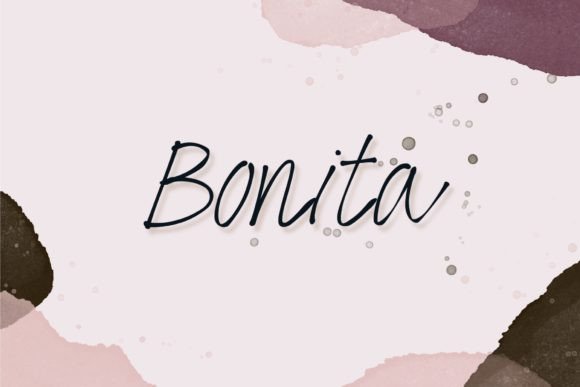
Kosambi: A Bold Script Font Built for Impact
Every now and then, a typeface comes along that feels both fresh and familiar. Kosambi is one of those finds. It is an upright, thick script font that walks a fine line between robust and romantic. The letters carry weight, but they also have a gentle rhythm that keeps them from feeling heavy or aggressive. If you have been looking for a display font that can anchor a logo or headline without disappearing into the background, Kosambi deserves a close look.
The first thing you notice about Kosambi is its confident stroke width. This is not a delicate, swirly script meant for wedding invitations alone. It has presence. The upright posture makes it more accessible than many slanted scripts, yet it retains that handmade quality that draws people in. There is a warmth here, a sense that a human hand shaped each character rather than a machine. That combination of sturdiness and soul makes Kosambi stand out in a crowded field of script typefaces.
What Makes Kosambi Different from Other Script Fonts
Most script fonts lean one way or the other. They are either elegant and fragile or bold and brash. Kosambi refuses to pick a side. Its thick strokes give it a solid, almost monumental feel, while the rounded terminals and slight curves add a layer of softness. The result is a font that feels approachable but not casual, strong but not intimidating.
The upright letterforms are particularly worth noting. Slanted scripts can sometimes feel rushed or unstable, especially in longer headlines. Kosambi stands straight, which gives it a sense of stability and reliability. That does not mean it feels stiff, though. The letters still flow into one another naturally, with just enough variation to keep the eye moving. It is a handwritten font that reads like a carefully considered design rather than an afterthought.
Another detail that sets Kosambi apart is its balance between thick and thin elements. The thick strokes carry the weight, but the thin connecting strokes and loops lighten the overall texture. This interplay creates visual interest without relying on exaggerated flourishes or decorative extras. Kosambi earns its personality through structure, not ornamentation.
Where Kosambi Shines in Real Projects
Kosambi is not a font you use for body text. It is a display font, built for moments that demand attention. Here is where it tends to perform best across creative, branding, and marketing work.
Logo Design and Brand Identity
Logos need to communicate a brand's personality in a split second. Kosambi works well here because it is distinctive without being loud. A coffee shop, a boutique bakery, a creative studio, or a small-batch skincare line could all use Kosambi to signal quality and craftsmanship. The thickness of the strokes ensures the logo remains legible even at smaller sizes, which is a common headache with more delicate script fonts.
When pairing Kosambi with other typefaces for a full brand identity, try a clean sans serif font for supporting text. A neutral sans serif lets Kosambi take the lead in headlines and logos while keeping the overall system professional and cohesive. Avoid pairing it with another script or a heavily decorative serif font, as that can create visual clutter.
Editorial and Packaging Design
Magazine covers, product labels, and packaging mockups benefit from fonts that can hold their own against photography and illustrations. Kosambi brings exactly that kind of presence. It works well as a title font on a minimalist product label or as the main headline on a lifestyle magazine cover. The upright posture helps it sit comfortably alongside modern typography and clean layouts.
For packaging design, Kosambi is particularly effective on products that want to convey a mix of tradition and modernity. Think craft spirits, artisanal chocolate, or small-batch hot sauce. The font has enough character to feel handcrafted but enough structure to look professional on a shelf.
Social Media Graphics and Web Headlines
Digital spaces demand quick communication. Kosambi handles that well because it is thick enough to stay legible on small screens and across various devices. Use it for social media headlines, Instagram story titles, or YouTube thumbnail text. The bold strokes pop against both light and dark backgrounds, which gives you flexibility in your visual content.
For web design, Kosambi works best as a hero section headline or a section divider. Because it is a display font, reserve it for high-impact moments rather than running text. Pair it with a clean sans serif for body copy to maintain readability and visual hierarchy.
How Kosambi Affects Readability, Hierarchy, and Brand Perception
Readability in a display font is not about long paragraphs. It is about how quickly a viewer can parse a headline or logo. Kosambi's thick strokes and open letterforms make it highly legible at display sizes. The upright posture also helps, especially for readers who are not used to decoding heavily slanted script fonts.
In terms of visual hierarchy, Kosambi naturally demands top billing. Its weight and presence push it to the top of the visual stack, which is exactly where you want your primary message to land. When you pair it with lighter and simpler fonts for secondary information, the hierarchy becomes clear and intuitive.
Brand perception is where Kosambi really earns its keep. A brand that uses this font signals confidence, approachability, and attention to detail. It is not a generic script that could belong to anyone. It has a specific voice, one that feels both grounded and warm. That combination helps build recognition because the font is memorable without being gimmicky.
Consistency also benefits from a font like Kosambi. Because it is versatile across different media, you can use it for print materials, digital ads, packaging, and signage without the brand feeling disjointed. That kind of consistency builds trust with your audience over time.
Practical Guidance for Choosing and Using Kosambi
Before you commit to any font, it pays to test it in context. Here are some practical steps to evaluate whether Kosambi fits your project.
Evaluate Project Fit
Start with the brand or project personality. Kosambi works well for brands that want to feel human, approachable, and slightly refined. If the project leans heavily into minimalism, modernism, or high-tech, Kosambi may feel out of place. But if there is room for warmth and a handcrafted touch, it is worth considering.
Think about the audience too. Kosambi appeals to people who appreciate design that feels intentional but not overly polished. It suits brands targeting adults who value quality, authenticity, and a bit of character.
Test Font Pairings Early
Do not pair Kosambi with another display font. It is strong enough to stand alone. Instead, find a quiet sans serif font that complements its weight and mood. A geometric sans serif or a neutral humanist sans serif are both solid choices. Test combinations at different sizes and in different media to see how they hold up together.
If you need a serif font for specific applications, look for one with a modern, streamlined feel rather than a traditional or ornate one. Kosambi is modern enough to clash with overly classical serifs.
Review Included Styles and Weights
Check what comes with your license. Some versions of Kosambi may include alternate characters, ligatures, or multiple weights. These extras can give you more flexibility, especially in logo design where a unique ligature can make the mark truly your own. If you are designing for a brand that needs multilingual support, verify the character set covers your required languages.
Consider Readability at Different Sizes
Kosambi performs best at display sizes, typically 24 points and above. At smaller sizes, the thick strokes can start to close in on each other, reducing legibility. Avoid using it for body copy or small captions. If you need a handwritten feel for smaller text, look for a lighter script font designed for that purpose.
Check Commercial Licensing
Kosambi is a commercial font, which means you need the right license for your use case. If you are using it for a client project, product packaging, or any commercial application, make sure the license covers that. Many premium font foundries offer standard desktop licenses, web licenses, and app licenses. Read the fine print so you are not caught off guard later.
Real-World Examples That Work
Imagine a small-batch coffee roaster using Kosambi on its bag labels alongside a clean sans serif for the tasting notes. The font communicates the care that goes into the roasting process without needing extra words. Or picture a creative agency using Kosambi for its own logo, signaling that it values craft and personality over corporate polish. These are the kinds of applications where Kosambi feels natural, not forced.
For a more unexpected use, try Kosambi in a poster design that combines photography with minimal text. The font's thickness can anchor a layout that might otherwise feel too airy. It adds a grounding element without overwhelming the image.
Final Thoughts on Adding Kosambi to Your Toolkit
Kosambi is not a font you will use every day, but it is one you will be glad to have when the right project comes along. Its combination of robust structure and romantic warmth fills a specific niche in the world of modern typography. Whether you are a designer working on brand identity, a small business owner building a visual presence, or a content creator looking for a standout headline font, Kosambi delivers a unique voice that is hard to replicate with other typefaces.
The best fonts are the ones that make you want to design around them. Kosambi does exactly that. It invites experimentation, pairs well with restraint, and rewards careful placement. If you value typefaces that bring both character and reliability to the table, Kosambi is worth adding to your design assets.