Evaluating Moonshine Script for Your Design Projects
Selecting a typeface is often a decision that shapes the entire tone of a project. Among the many options available, Moonshine Script has emerged as a modern calligraphy typeface that blends contemporary design with classic, elegant touches. This article provides a balanced evaluation of Moonshine Script, helping you determine whether it aligns with your specific design goals, project requirements, and audience expectations.
What Is Moonshine Script?
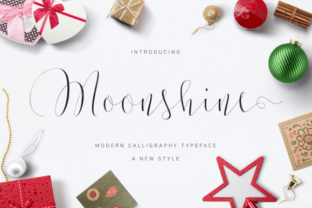
Moonshine Script is a digital typeface designed to capture the fluid, hand-lettered quality of traditional calligraphy while incorporating the clean lines and consistency expected of modern typography. Its letterforms carry a sense of motion and personal touch, with thoughtful swashes and ligatures that evoke the elegance of vintage lettering. The typeface is carefully crafted to maintain readability while offering decorative flourishes, making it suitable for a wide range of applications including posters, t-shirts, letterheads, logos, labels, wedding invitations, cards, and other branding materials.
Key Characteristics That Define Moonshine Script
Understanding the core attributes of Moonshine Script is essential before evaluating its fit. The typeface features moderate stroke contrast, with thinner upstrokes and thicker downstrokes that mimic the natural pressure of a pointed pen. The letterforms are connected in a flowing manner, giving the font a cohesive and graceful appearance. Unlike some script fonts that lean heavily toward either casual or formal, Moonshine Script strikes a middle ground — it feels approachable yet refined.
The typeface includes a set of stylistic alternates and contextual ligatures, which allow users to customize the look of certain letter combinations. This flexibility can help avoid the repetitive feel that sometimes occurs with script fonts, particularly in longer text settings. The character set typically supports uppercase and lowercase letters, numerals, punctuation, and multilingual characters, which broadens its usability across different languages and design contexts.
Why Might You Consider Moonshine Script?
There are several practical reasons a designer or business owner might turn to Moonshine Script for a project. Its modern calligraphy aesthetic can add a handmade, personal quality to digital or print work without requiring the time and skill needed to produce hand-lettered text from scratch. The typeface also offers a level of consistency that hand lettering cannot guarantee, which can be critical for brand identity materials where repetition and uniformity matter.
Another common motivation is the desire to evoke a specific mood. Moonshine Script carries connotations of elegance, nostalgia, and craftsmanship — qualities that are often sought after in industries such as wedding planning, luxury goods, artisanal food and beverage, fashion, and event design. For projects that aim to communicate warmth, tradition, or a bespoke feel, this typeface can serve as a visual anchor.
Benefits of Using Moonshine Script
When evaluating a typeface, it helps to consider the tangible advantages it brings to a project. Moonshine Script offers several benefits worth noting:
- Visual appeal: The flowing letterforms and decorative elements can make headlines, logos, and short text passages stand out. The typeface has a natural rhythm that draws the eye and adds a layer of artistry to simple layouts.
- Versatility across media: Whether used on a wedding invitation, a product label, or a social media graphic, Moonshine Script maintains its character across different formats and sizes. This adaptability reduces the need to switch fonts between related materials.
- Customization potential: With stylistic alternates and ligatures, users can tweak the appearance of words to better suit their design. This is especially useful for logos and short headlines where every letter contributes to the overall impression.
- Time efficiency: Using a well-designed script font saves the hours that would otherwise be spent hand-lettering or creating custom calligraphy. For tight deadlines, this efficiency is a practical advantage.
Tradeoffs and Considerations
No typeface is a perfect fit for every situation, and Moonshine Script has limitations that should be weighed carefully. One of the primary tradeoffs is readability at small sizes. Script fonts, by their nature, can become difficult to read when scaled down, especially on screens or in body text. Moonshine Script is best suited for display purposes — headlines, titles, logos, and short phrases — rather than for long paragraphs or dense text blocks.
Another consideration is the potential for the typeface to feel overly stylized in certain contexts. While the elegant calligraphy look is desirable for many projects, it may clash with minimalist, modern, or corporate design systems that favor clean sans-serif or geometric typefaces. Mixing Moonshine Script with other fonts requires careful attention to contrast and hierarchy to avoid a disjointed visual experience.
There is also the matter of brand consistency. If a brand intends to use Moonshine Script across all communications, the script style may limit how the brand is perceived over time. Script fonts can feel less authoritative or professional in some industries, which could affect credibility with certain audiences. Testing the typeface with your target users before committing to a full rollout is a prudent step.
Expectations When Working with Moonshine Script
If you decide to incorporate Moonshine Script into a project, it helps to understand what the workflow will look like. The font files are typically installed like any other OpenType or TrueType font, and they work across major design software including Adobe Creative Suite, Canva, and web design platforms that support custom fonts. To take full advantage of the stylistic alternates and ligatures, using software that supports OpenType features is recommended.
When setting text, you may need to manually adjust kerning or spacing in certain letter pairs, especially if the font's built-in spacing does not align with your specific layout. This is common with script fonts, as the flowing nature of the letters can create uneven gaps in some contexts. Spending time fine-tuning the typography will improve the final result.
Moonshine Script also requires careful consideration of background and color. Light text on a dark background or dark text on a light background tends to work best, as high contrast helps preserve the delicacy of the strokes. Busy backgrounds can overwhelm the letterforms and reduce legibility.
Situations Where Moonshine Script Is a Strong Fit
There are specific scenarios where Moonshine Script shines as a design choice. Based on its characteristics, the typeface is well-suited for:
- Wedding and event stationery: Invitations, place cards, thank-you notes, and programs benefit from the romantic, hand-crafted feel of Moonshine Script. Its elegance aligns with the tone of many formal events.
- Branding for boutique or artisanal businesses: Small-scale producers of specialty foods, beverages, cosmetics, or handmade goods often rely on script typefaces to convey authenticity and attention to detail. Moonshine Script can reinforce a brand story centered on craftsmanship.
- Logos and wordmarks: For brands that want a distinctive, memorable wordmark, the fluid letters of Moonshine Script offer a unique identity that stands apart from geometric or sans-serif logos. The stylistic alternates allow for customization that makes the logo feel bespoke.
- Product labels and packaging: Items such as wine bottles, coffee bags, candles, or soaps often use script typography to create a premium and tactile impression. Moonshine Script helps communicate quality and care.
- Posters and editorial headlines: When a project calls for a strong visual statement, using Moonshine Script in a large headline can draw immediate attention and set the aesthetic direction for the entire layout.
When Alternatives May Be Worth Considering
Despite its strengths, there are situations where another typeface might serve you better. Evaluating these scenarios can prevent a mismatch between the font and the project's goals.
If your project requires long-form reading — such as website body copy, articles, reports, or books — a script font like Moonshine Script is generally not the best choice. Legibility and reading speed decrease significantly with decorative scripts at text sizes. In these cases, a well-designed serif or sans-serif font would be more appropriate for the body text, while Moonshine Script could still be used for headings or accents.
For projects that demand a modern, minimal, or tech-forward aesthetic, a script font might feel out of place. Sans-serif typefaces with clean geometric forms often communicate innovation and efficiency more effectively. If the goal is to project authority, trust, or professionalism in a corporate or medical context, a neutral serif or sans-serif would likely be a safer option.
Another scenario to consider is when a brand plans to scale across diverse media and languages. Script fonts can be more challenging to localize or adapt for international audiences, especially in scripts that do not share the Latin alphabet. If global reach is a priority, a more neutral typeface family with extensive language support may be necessary.
Budget constraints can also influence the decision. While many script fonts are available at reasonable prices, premium typefaces like Moonshine Script may require a license fee. If the budget is tight, there are free or lower-cost alternatives that offer similar calligraphy styles, though the quality, character set, and attention to detail may vary.
Practical Decision-Making Insights
To determine whether Moonshine Script is the right choice for your project, start by clarifying your primary objectives. Ask yourself what emotional response you want the typography to evoke, and whether an elegant calligraphy style supports that goal. If you are designing for a client, discuss the brand's personality and audience expectations openly. Testing the typeface in mockups and gathering feedback from stakeholders or a sample of the target audience can reveal issues that are not obvious in isolation.
Consider the full range of applications the typeface will need to serve. If Moonshine Script will be used across a variety of media — from large signage to small social media graphics — test its performance at different sizes and on different backgrounds. Pay attention to how it pairs with other fonts, especially those that will carry the bulk of the body text. A strong typographic hierarchy often involves a script font for display purposes and a neutral serif or sans-serif for readability.
It is also worth evaluating the licensing terms. Some typefaces restrict usage based on the number of users, projects, or commercial applications. Ensure that the license for Moonshine Script covers your intended use, whether that is for a single client project, a self-published book, or a corporate identity system.
Finally, do not overlook the value of experimentation. Download a test version if available, or create a few sample layouts using the font. Seeing Moonshine Script in the context of your actual content and design elements will give you the clearest sense of whether it meets your needs. The time spent testing upfront can save costly revisions later.
Determining Alignment with Your Goals
Moonshine Script is a well-executed modern calligraphy typeface that offers elegance, warmth, and versatility for display purposes. It is a strong candidate for projects that benefit from a handcrafted aesthetic and where readability at small sizes is not a primary concern. Its stylistic alternates and ligatures provide room for customization, and its consistent letterforms save the time and effort of manual lettering.
However, it is not a universal solution. For applications that require extended readability, a neutral brand image, or international scalability, alternative typefaces may be more aligned with your goals. The key is to match the typeface's strengths to the specific demands of your project rather than forcing a font into a role it was not designed to fill.
By taking a structured approach to evaluation — considering the audience, the message, the media, and the practical constraints — you can make an informed decision about whether Moonshine Script deserves a place in your design toolkit. When used with intention, it can elevate a project and communicate a level of care and artistry that resonates with viewers.