Gradies: A Friendly and Unique Font for Modern Design
When evaluating typefaces for a project, the choice often comes down to a balance between personality and practicality. Gradies is a display font that has attracted attention for its distinctive blend of warmth and character, particularly through its brush-style variant, Gradies Brush. This article provides an objective examination of what Gradies offers, the situations where it shines, and the tradeoffs you should consider before committing to it in your design work.
What Is Gradies?
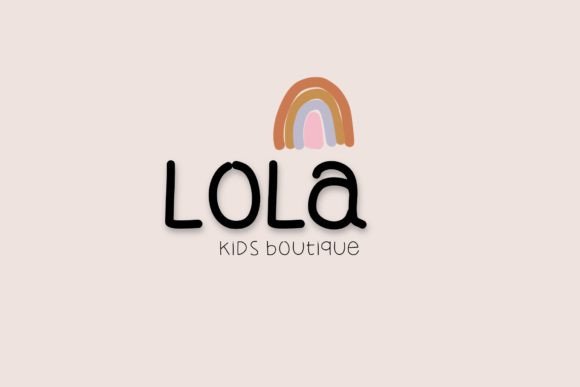
Gradies is a typeface family designed with a friendly, approachable aesthetic. The core font, often simply called Gradies, features rounded letterforms, soft curves, and a slightly irregular baseline that gives it a handcrafted feel. The Gradies Brush variant extends this personality by simulating the texture and stroke variation of a brush pen, adding an extra layer of organic warmth. Both styles are primarily intended for display use — meaning headlines, logos, posters, and other contexts where a strong visual presence is desired.
The font is characterized by a balance of playfulness and clarity. Its letters are not overly decorative, but they avoid the rigid geometric uniformity found in many contemporary sans-serif families. This makes Gradies a potential choice for brands, content creators, or designers who want to convey a sense of genuine human connection without sacrificing readability at larger sizes.
Why Consider Gradies?
Several common motivations drive interest in Gradies, and understanding these can help you determine if it aligns with your goals.
- Expressing friendliness and warmth. The rounded shapes and slight irregularity of Gradies create a naturally welcoming appearance. If your project needs to feel inviting, casual, or approachable — such as a children’s book cover, a café menu, or a community event flyer — Gradies can reinforce that tone without relying on clichéd script fonts or overused cartoon styles.
- Unique brand identity. Because Gradies isn’t as widely used as Helvetica or Open Sans, it can help a brand stand out. The brush variant, in particular, offers a hand-drawn quality that feels more personal than a purely digital creation. For small businesses, artists, or lifestyle bloggers, this distinctiveness can be a strategic advantage.
- Versatility within a single family. Having both a standard and a brush version allows you to mix weights and styles for variety while maintaining coherence. For example, you might use Gradies for headlines and Gradies Brush for pull quotes or decorative accents.
What to Expect from Gradies Brush
Gradies Brush is the more textured and expressive member of the family. It mimics the pressure and flow of a real brush, with thinner upstrokes and thicker downstrokes. This makes it especially effective for short, impactful messaging — think one-word logos, titles, or hero section headlines. However, because of its brush characteristics, it is less suited for extended body text. Legibility declines rapidly at smaller sizes, and the irregular stroke thickness can make long passages tiring to read.
Benefits and Tradeoffs
No typeface is perfect for every situation, and Gradies is no exception. Below we weigh the main advantages against the potential downsides.
Benefits
- Strong emotional appeal. Gradies has a built-in personality that conveys creativity, openness, and a human touch. For projects where building an emotional connection is a priority, this can be a significant asset.
- Good legibility at display sizes. At 24 points and above, both Gradies and Gradies Brush remain clear. The open apertures and generous spacing help each letterform remain distinct, even in lighter weights.
- Easy to pair with neutral fonts. Because Gradies is moderately distinctive but not overly ornate, it pairs well with straightforward sans-serif or serif fonts for supporting text. A common combination is Gradies for headings and a clean, neutral font like Open Sans or Lato for body copy.
Tradeoffs and Considerations
- Limited at small sizes. Gradies Brush, in particular, suffers from reduced readability when used below 18–20 points. The standard version fares slightly better but still lacks the precision needed for long paragraphs or small captions.
- Not ideal for formal or professional contexts. The friendly, informal nature of Gradies can clash with corporate or academic projects that require a more conservative, serious tone. It would likely feel out of place in a law firm’s annual report or a scientific journal.
- Weight and style availability. Compared to larger font families, Gradies offers a narrower range of weights (typically regular, bold, and perhaps a light). This limits your ability to create complex typographic hierarchies without supplementing with another font.
- Potential licensing restrictions. Always check the specific license for Gradies. Some versions may be free for personal use but require a paid license for commercial applications. Ensure you have the correct rights before using it in client work or branding.
When Gradies Is a Strong Fit
Based on its strengths, Gradies is particularly effective in the following scenarios:
- Creative and lifestyle branding. For a boutique bakery, an artisanal soap company, or a yoga studio, Gradies can immediately communicate the brand’s personality. The brush variant adds an extra layer of craft and authenticity.
- Children’s materials. Books, educational apps, or toy packaging benefit from the font’s friendly, non-intimidating appearance. The rounded forms feel playful without being chaotic.
- Social media graphics. In environments where you want to grab attention quickly, Gradies works well for quotes, announcements, or profile name headers. Its distinct look can help posts feel less generic.
- Event posters and flyers. Concerts, festivals, open-mic nights, or farmers’ markets often pair well with Gradies because it strikes a balance between readable and expressive.
When You Should Consider Alternatives
Conversely, there are clear situations where Gradies may not be the optimal choice:
- Long-form text or documents. If your project involves more than a few short paragraphs, choose a typeface designed for body text. Gradies is a display font; using it for body copy compromises readability and user experience.
- Multilingual or heavy diacritic support. Not all display fonts have extensive glyph coverage. If your content includes multiple languages or special characters, verify that Gradies offers the necessary support. Some alternatives, such as Source Sans Pro or Noto Sans, provide broader coverage.
- Ultra-modern or tech brands. Companies aiming for a sleek, futuristic, or minimalist aesthetic may find Gradies too casual. Geometric sans-serifs like Montserrat or Futura might better align with that image.
- Print at very small sizes. In business cards or labels where text needs to be readable at 8–10 points, Gradies (especially the brush variant) will likely appear muddy or uneven. A simple sans-serif with consistent stroke width is safer.
Practical Decision-Making Insights
To determine whether Gradies aligns with your goals, start by asking a few practical questions:
- What is the primary medium? Digital screens (especially on mobile) or large-format print will showcase Gradies well. Small print or low-resolution displays may not.
- Who is the audience? Gradies appeals to people who value creativity, warmth, and approachability. If your audience expects formality or precision, look elsewhere.
- How extensive is the text? For short, high-impact uses (e.g., a logo or one-line heading), Gradies can be a standout choice. For anything requiring sustained reading, pair it with a complementary body font.
- Do you have budget and rights? If you are a professional designer or business, confirm the licensing. Free versions may have restrictions that could cause issues later.
A practical test: create a simple mockup of your content using Gradies and Gradies Brush. Compare it with a neutral alternative like Lato or Roboto. Which better communicates the intended tone? Which is easier to read in your specific layout? The answer will guide your final decision.
Pairing Suggestions
If you decide to use Gradies, pairing it with a neutral, highly readable body font helps maintain clarity. Good candidates include:
- Source Sans Pro (clean, professional)
- Open Sans (friendly but neutral)
- Merriweather (if you prefer a serif for body text)
- Work Sans (modern geometric)
Avoid pairing Gradies with another heavy display font, as that can create visual competition and reduce hierarchy.
Final Thoughts
Gradies and Gradies Brush offer a distinctive, friendly aesthetic that can add genuine character to the right projects. Their strengths lie in display applications where warmth and individuality are valued. At the same time, their limitations — especially in small sizes and formal contexts — mean that they are not a universal solution. By assessing your medium, audience, and content length, you can decide if Gradies supports your design goals or if a more versatile typeface would serve you better. Like any tool, its effectiveness depends on how well it fits the task at hand.