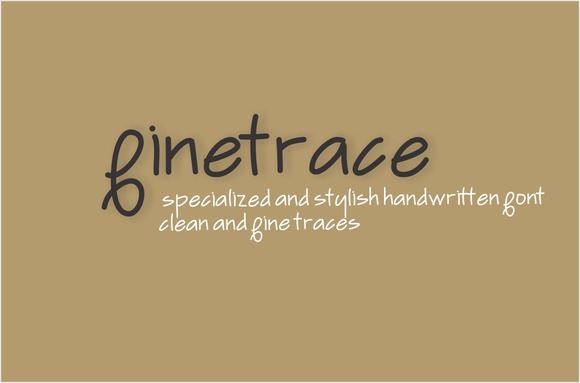
Finetrace: A Strategic Approach to Handwritten Typography
Choosing the right typeface is not merely a matter of aesthetics. It is a strategic decision that influences how your audience perceives your message, how easily they engage with your content, and how memorable your brand becomes. Finetrace offers a distinct option in this landscape: a handwritten font defined by clean, fine traces that combine the warmth of human handwriting with the precision needed for professional applications. For entrepreneurs, creators, and decision-makers, understanding when and how to deploy such a font can directly impact communication effectiveness and long-term outcomes.
This article explores the strategic value of Finetrace, offering practical guidance on integrating it into your planning, branding, and creative workflows. The goal is to help you make informed choices that serve your objectives rather than simply following trends.
Why Finetrace Deserves a Place in Your Planning Process
Font selection is often relegated to the final stages of a project, but thoughtful planning treats typography as a foundational element. Finetrace, with its clean handwritten style, brings a human touch that can differentiate your communication in a crowded digital environment. Its fine traces ensure legibility while preserving an authentic, personal feel. This balance makes it particularly useful for projects where you want to convey approachability without sacrificing professionalism.
When you incorporate Finetrace into your planning, consider the specific role it will play. For instance, using it for headings can signal creativity and individuality, while pairing it with a neutral sans-serif for body text can maintain readability. This intentional pairing helps you control the tone of your content from the outset.
Aligning Font Selection with Your Communication Goals
Every piece of communication has a purpose. Whether you are launching a product, inviting guests to an event, or building a brand identity, the typography you choose either supports or undermines that purpose. Finetrace excels in scenarios where you need to establish a personal connection. Its handwritten appearance suggests care and effort, which can build trust with customers or clients who value authenticity.
For example, a small business owner using Finetrace on a logo or business card projects a handmade quality that resonates with local markets. A blogger using it for pull quotes or section headers adds visual interest while reinforcing a personal voice. In both cases, the font serves a clear strategic goal: to humanize the brand and foster engagement.
To maximize this alignment, ask yourself: What emotional response do I want to evoke? If the answer is warmth, creativity, or sincerity, Finetrace is a strong candidate. If the goal is strict authority or high-tech precision, a more formal typeface may be better. The key is matching the font to the context rather than defaulting to one style.
Practical Use Cases Where Finetrace Adds Measurable Value
Beyond theory, Finetrace has proven effective in several real-world applications. Its versatility stems from its clean fine traces, which allow it to scale well across different media. Below are strategic use cases where this font can enhance outcomes:
- Branding and Logos: A handwritten logo can make a brand feel more accessible. Finetrace works well for creative agencies, boutiques, cafés, and personal brands. The fine traces ensure the logo remains sharp even at small sizes, such as on business cards or social media avatars.
- Invitations and Greeting Cards: For weddings, launches, or seasonal greetings, a handwritten font adds a personal touch. Finetrace helps you achieve this without resorting to generic script fonts. The clarity of its traces ensures information like dates and names remain easy to read.
- Posters and Labels: In marketing materials, catching attention is paramount. Finetrace can be used for headlines on posters or for product labels where a craft aesthetic is desired. Its fine lines work particularly well on light backgrounds with ample breathing room.
- Book Covers and Brochures: For creative publications or educational materials, a handwritten font can signal a more conversational tone. Finetrace is suitable for titles or subheadings on covers, helping the piece stand out while maintaining professionalism.
- Digital Content: Blog headers, social media graphics, and email newsletters benefit from visual variety. Using Finetrace sparingly for key phrases can improve scannability and emotional impact.
In each of these cases, the font is not an afterthought but a deliberate choice that supports the overall communication strategy. The common thread is a need for warmth and clarity.
What to Consider Before Committing to a Handwritten Font
While Finetrace offers many advantages, relying on any handwritten font without careful consideration carries risks. The primary concern is readability. If used for large blocks of body text, handwritten fonts can become tiring to read, reducing engagement and comprehension. Finetrace is best reserved for display purposes: headings, short phrases, or emphasis.
Another risk is mismatched tone. A handwritten font may seem out of place in formal or highly technical contexts, such as legal documents or financial reports. Using it there could undermine credibility. Consider your audience’s expectations. If they anticipate a serious, data-driven approach, a handwritten font may feel dissonant.
Finally, consider scalability. While Finetrace performs well in digital and print, test it across your intended media. On large signage, fine traces might become too subtle, while on small screens, they could blur. Always review your design in its final format before committing.
To mitigate these risks, adopt a deliberate approach. Use Finetrace as an accent, not a primary font. Pair it with a clean sans-serif or serif for body text. Establish guidelines for its use to ensure consistency across your materials. This reduces the chance of arbitrary or ineffective application.
Using Finetrace to Enhance Creativity Without Sacrificing Clarity
For creators, freelancers, and hobbyists, a font like Finetrace can be a tool for expressing individuality. However, creativity must be tempered with clarity to achieve results. A beautifully designed invitation that no one can read fails its purpose. Finetrace addresses this by maintaining fine, clean traces that preserve legibility even in smaller sizes.
When designing, consider hierarchy. Use Finetrace for the most important elements you want to emphasize, such as names, dates, or calls to action. For supporting information, use a simpler typeface. This technique guides the viewer’s eye and ensures your message is communicated efficiently.
For example, in a brochure, you might set the headline “New Collection” in Finetrace to evoke a handcrafted feel, but use a standard font for product descriptions. This balance allows the creative expression to shine without overwhelming the reader. Over time, this intentional usage builds a recognizable style that differentiates your work.
Long-Term Brand Consistency and the Role of Intentional Typography
For businesses and organizations, brand consistency is a long-term asset. A font like Finetrace can become a signature element if used consistently across touchpoints. However, this requires a strategic approach. Define where Finetrace will appear: in your logo, on your website headers, in email signatures, or on packaging. Document these decisions in a simple style guide to ensure everyone on your team uses it the same way.
Consider how the font will age. Handwritten fonts can convey a timeless quality, but trends shift. Finetrace, with its clean and fine traces, has a classic feel that is less likely to feel dated quickly. This makes it a safer investment for long-term branding than more decorative or trendy fonts.
Also, think about scalability as your business grows. A font that works for a small café poster may need adjustment for a nationwide campaign. Test Finetrace across different contexts early to avoid inconsistencies later. By treating font selection as a strategic asset, you protect the coherence of your brand identity.
Decision-Making Guidance: How to Choose Finetrace Intentionally
The decision to use Finetrace should come from a clear understanding of your project goals, audience, and context. Start by listing the primary objectives of your communication: Are you building trust? Creating excitement? Informing clearly? Then, evaluate whether a handwritten style supports these objectives.
Next, test Finetrace in mock-ups or prototypes. Show it to a small group of stakeholders or target audience members and gather feedback on readability and emotional response. This reduces the risk of subjective error and grounds your decision in evidence.
Finally, plan for flexibility. Finetrace is a tool, not a rule. You may use it heavily in one campaign and sparingly in another. Maintain a library of complementary fonts and be willing to adjust based on feedback or changing needs. This adaptive mindset ensures your typography remains aligned with your evolving goals.
In summary, Finetrace offers a unique blend of personality and clarity that can serve multiple strategic purposes. From enhancing brand warmth to improving creative presentations, its value emerges when used thoughtfully. By prioritizing intention over impulse, you turn font choice into a deliberate advantage that supports your planning, communication, and long-term results.